Does General Liability Cover a Refrigerant Release? (No — Here's What Does)
By Josh Cotner
Does General Liability Cover a Refrigerant Release? (No — Here's What Does)
Almost every standard general liability policy contains a pollution exclusion. It's boilerplate language most contractors never read closely — until a refrigerant release, a fuel spill, or an equipment-disposal issue turns into a claim that GL simply won't touch.
Where Energy Contractors Actually Carry Pollution Exposure
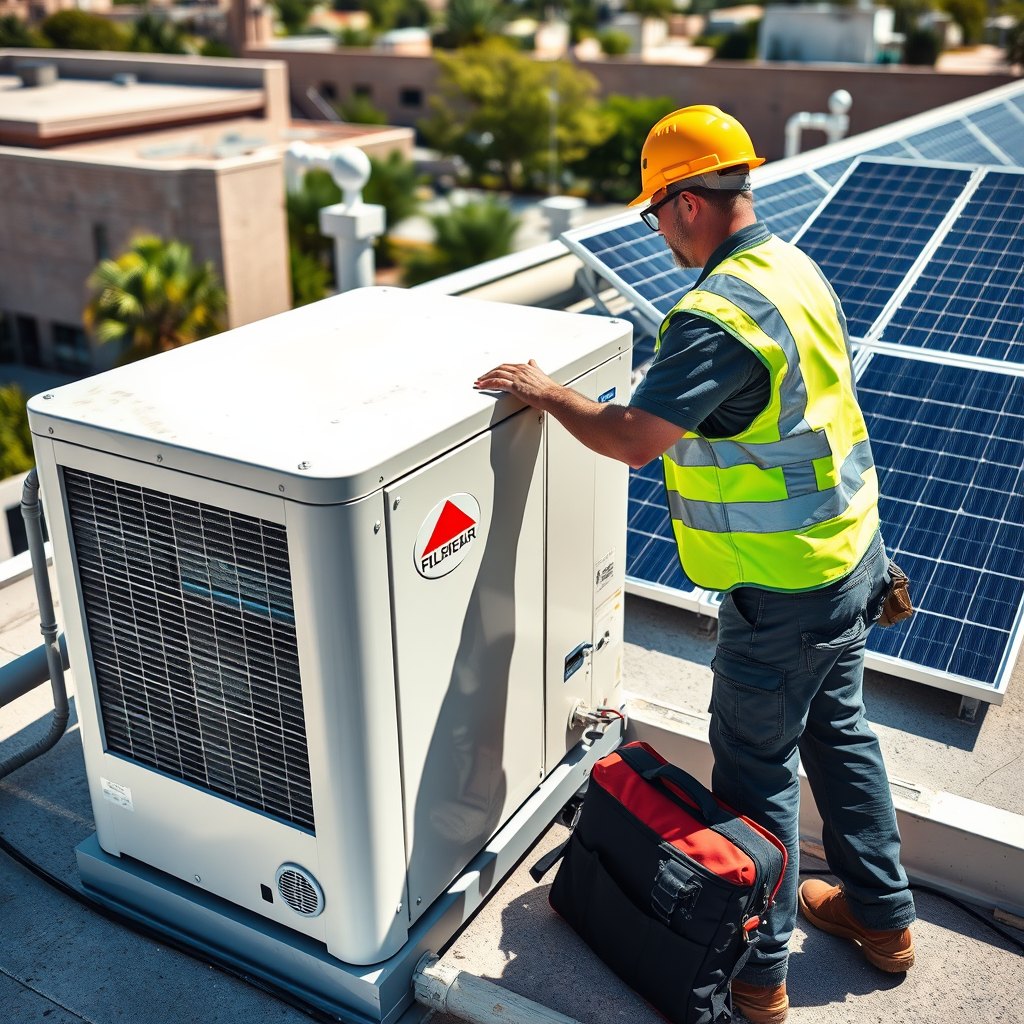
- Refrigerant handling. HVAC service and installation work involves refrigerants that are tightly regulated and, if released, can trigger both environmental liability and regulatory exposure.
- Fuel and chemical spills. Generators, job vehicles, and stored fuel on a job site or in the shop carry spill exposure that standard GL was never built to cover.
- Equipment and panel disposal. Decommissioning old solar panels, batteries, or HVAC units can carry liability tied to how that material is handled and disposed of.
Why the GL Pollution Exclusion Exists
General liability is priced and underwritten around bodily injury and property damage from normal operations — not the specialized, often regulatory, exposure of a chemical or refrigerant release. Carriers carve pollution out of GL specifically so they can price it separately, through a dedicated pollution liability policy, based on your actual exposure.
What Pollution & Environmental Liability Actually Covers
- Accidental refrigerant release during HVAC service or installation
- Fuel, oil, and chemical spills from job vehicles and generators
- Third-party bodily injury and property damage from a release
- Cleanup and remediation costs
- Defense costs for environmental claims — which can be significant even when the underlying claim is small
Sudden vs. Gradual Release Coverage
Pollution policies typically distinguish between sudden releases (an abrupt spill or leak) and gradual releases (a slow leak over time). Most energy contractors are primarily exposed to sudden-release scenarios, but it's worth confirming which your policy actually covers — a basic form that only covers "sudden and accidental" releases can leave a slow refrigerant leak uncovered.
The Bottom Line
If your crew handles refrigerant, runs fuel-powered equipment, or disposes of panels and batteries, a standard GL policy almost certainly excludes the claim that matters most. Get a quote and we'll walk through what pollution exposure actually applies to your operation — about 15 minutes, no obligation.
Need this coverage for your business?
Get a real quote in about 15 minutes — we shop A-rated specialty markets.