Workers' Comp Class Codes for Solar, HVAC & Electrical Crews, Explained
By Josh Cotner
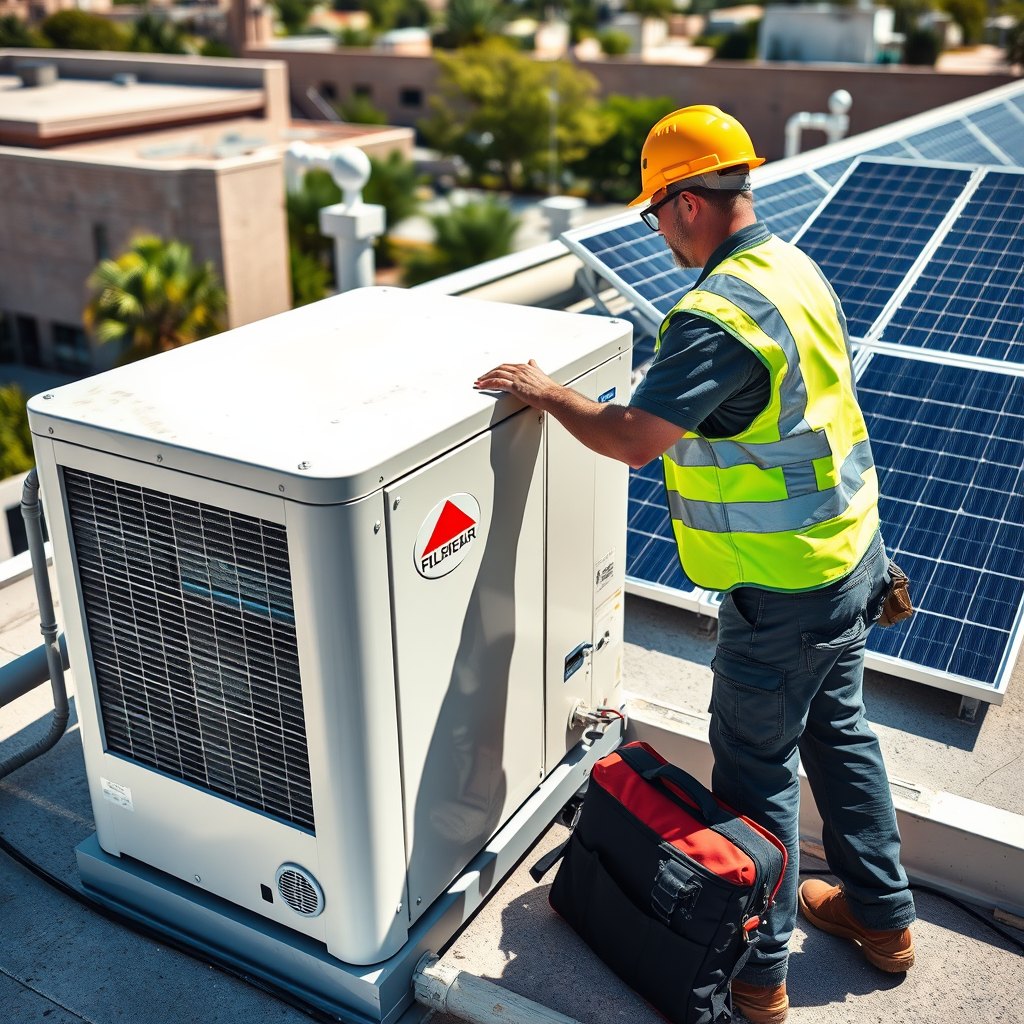
Workers' Comp Class Codes for Solar, HVAC & Electrical Crews, Explained
Workers' compensation for energy contractors isn't a single code. Solar installation, HVAC service, and electrical work each carry distinct injury patterns — and carriers rate them differently. Getting the classification wrong means either overpaying on premium or getting hit with a surprise bill at audit.
Why Class Codes Matter for Energy Contractors
Every job function on your crew maps to a class code that reflects its hazard level. Roof-based solar installation carries different risk than electrical panel work, which carries different risk than office and admin staff. A single blanket "contractor" code either overrates your low-hazard staff or underrates your high-hazard crews — and an audit will catch the mismatch.
The Injury Patterns That Drive Rating
- Roof falls and ladder/lift injuries. Solar installation is roof-based work by nature. This is the single biggest driver of solar-crew workers' comp exposure.
- Electrical shock and arc-flash. Electrical contractors and HVAC techs working on live systems carry meaningful shock and burn exposure.
- Confined-space and lifting injuries. HVAC service work often means crawlspaces, attics, and mechanical rooms — awkward lifting and confined postures.
- Vehicle and equipment incidents. Techs driving between multiple jobsites daily add auto-adjacent exposure that factors into overall program design, even though it's rated separately under commercial auto.
Common Classification Mistakes
- Lumping installers and office staff under one code. Office and admin staff should be classified separately at a much lower rate.
- Using a general "electrician" or "HVAC" code without splitting installation vs. service work, when your state's rating bureau distinguishes them.
- Treating 1099 subcontractors as excluded without properly documenting that they carry their own coverage — a gap that surfaces expensively during an audit or after a claim.
What Correct Classification Looks Like
We assign codes to your actual workflow — installation crews, service and maintenance techs, and office staff — rather than defaulting to whatever code an old policy happened to use. That means:
- Premium that reflects your real hazard mix, not a worst-case blanket rate
- No audit surprises from misclassified labor
- Faster, cleaner claims because the classification already matches the work being done
The Bottom Line
Workers' comp for energy contractors is not one-size-fits-all, and the difference between a correct and incorrect classification shows up both in your premium and in what happens after a claim. If you're not sure your current policy has you classified correctly, get a quote and we'll walk through your actual crew structure — about 15 minutes, no obligation.
Need this coverage for your business?
Get a real quote in about 15 minutes — we shop A-rated specialty markets.